
Daily lighting, industrial inspection, sterilization and disinfection, semiconductor manufacturing... The world we inhabit is constantly enveloped by various light sources.
From the once ubiquitous incandescent bulbs in every household to today's omnipresent LEDs, and then to the excimer lamps that have seen explosive demand testing this year, along with xenon lamps still dominating the high-end market, the evolution of this tiny beam of light has not only transformed life and production but also written the story of China's lighting industry's remarkable turnaround from being dependent on others to leading globally.
Today, join us to trace the evolution of the light source industry, decode current market trends, and anticipate future directions.
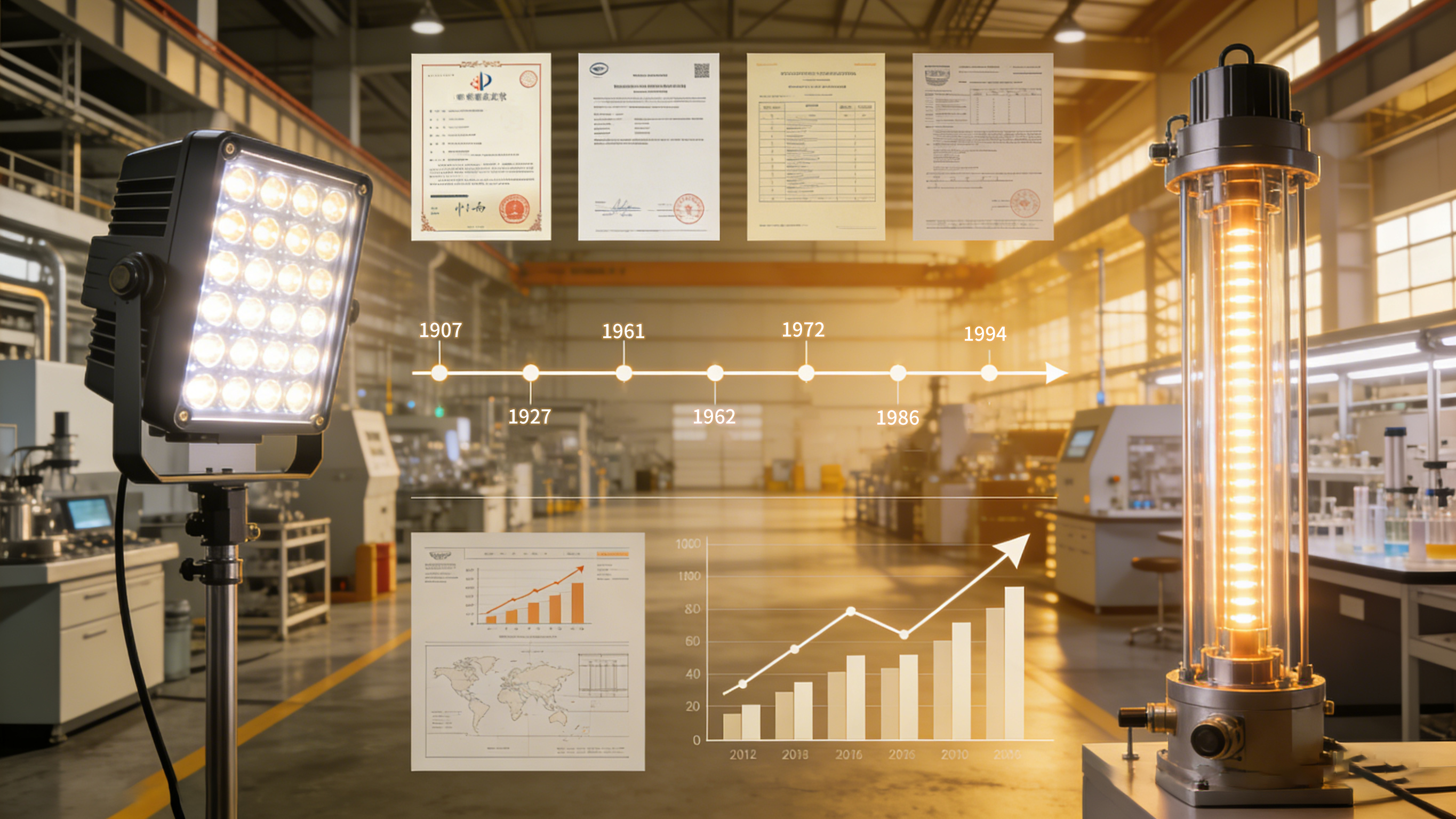
I. LED Popularization: The First Comeback of China's Light Source Industry
In the light source industry, LED stands as an indispensable milestone.
There was a time when incandescent and fluorescent lamps dominated the lighting market, characterized by high energy consumption, short lifespan, and significant pollution. Early LED technology could only serve as instrument indicator lights, lacking blue light technology to achieve white light illumination. Core patents were firmly held by Japanese companies, leaving Chinese enterprises to engage in low-end assembly and facing bottlenecks everywhere.
①A Japanese Blue Light LED Legend That Changed the World
The three primary colors are indispensable, with blue light being the final piece of the puzzle for white LEDs. Red and green LEDs have been commercially available for decades, whereas blue light LEDs remain a "mission impossible" globally due to their high photon energy and the extreme challenges in material growth and doping processes.
Yoshihiro Akasaki + Hiroshi Amano: Laboratory Breakthrough (1970s–1989) Professor Yoshihiro Akasaki of Nagoya University firmly believed in the potential of gallium nitride (GaN). In 1981, he collaborated with his student Hiroshi Amano to initiate groundbreaking research. By 1986, they successfully grew high-quality GaN single crystals on sapphire substrates using low-temperature buffer layer technology. In 1989, they achieved stable p-type GaN for the first time through Mg doping combined with low-energy electron beam activation, paving the way for p-n junction formation. This milestone marked the transition of blue light LEDs from theory to experimental realization.
Shuji Nakamura: From Lab to Mass Production (1990–1993) Shuji Nakamura, a regular researcher at Nippon Asia Chemicals, single-handedly achieved a groundbreaking commercialization breakthrough under challenging conditions. He refined MOCVD equipment, pioneered a dual-gas flow process, and optimized InGaN quantum well structures. In 1993, he introduced high-brightness blue LEDs with brightness increased by a hundredfold and a lifespan exceeding 10,000 hours. By 1994, Nippon Asia had achieved mass production. Subsequently, by combining blue light with yellow phosphors, they created the world's first white LED.
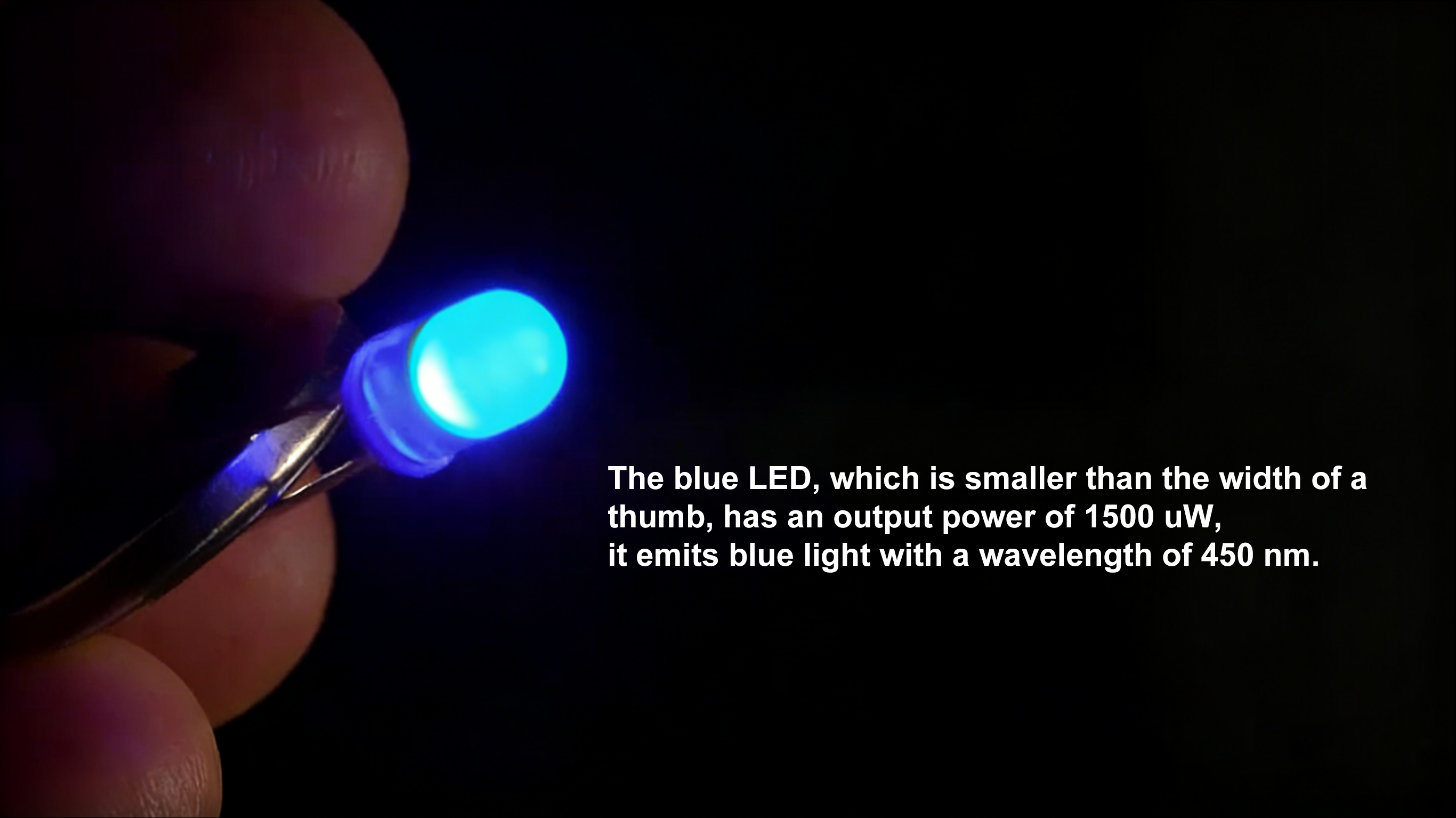
In 2014, Isamu Akasaki, Hiroshi Amano, and Shuji Nakamura were jointly awarded the Nobel Prize in Physics for 'inventing high-efficiency blue LEDs, which sparked the second lighting revolution.'
②The golden inflection point of China LED
The breakthrough of blue light LED made white light illumination possible, but the core patents (filed in 1997) were firmly held by Japanese companies such as Nichia. It wasn't until 2017 that the core patents of Japanese blue light LED expired, marking a turning point for the China industry!
With patent restrictions lifted, coupled with national green lighting policies and the ban on incandescent bulbs, China's complete industrial chain advantages have been fully unleashed: upstream chip production has expanded wildly, midstream packaging has reached global leadership, and downstream applications have been comprehensively rolled out. In just a few years, LED has transformed from a "luxury item" to "affordable prices," completely replacing traditional light sources.
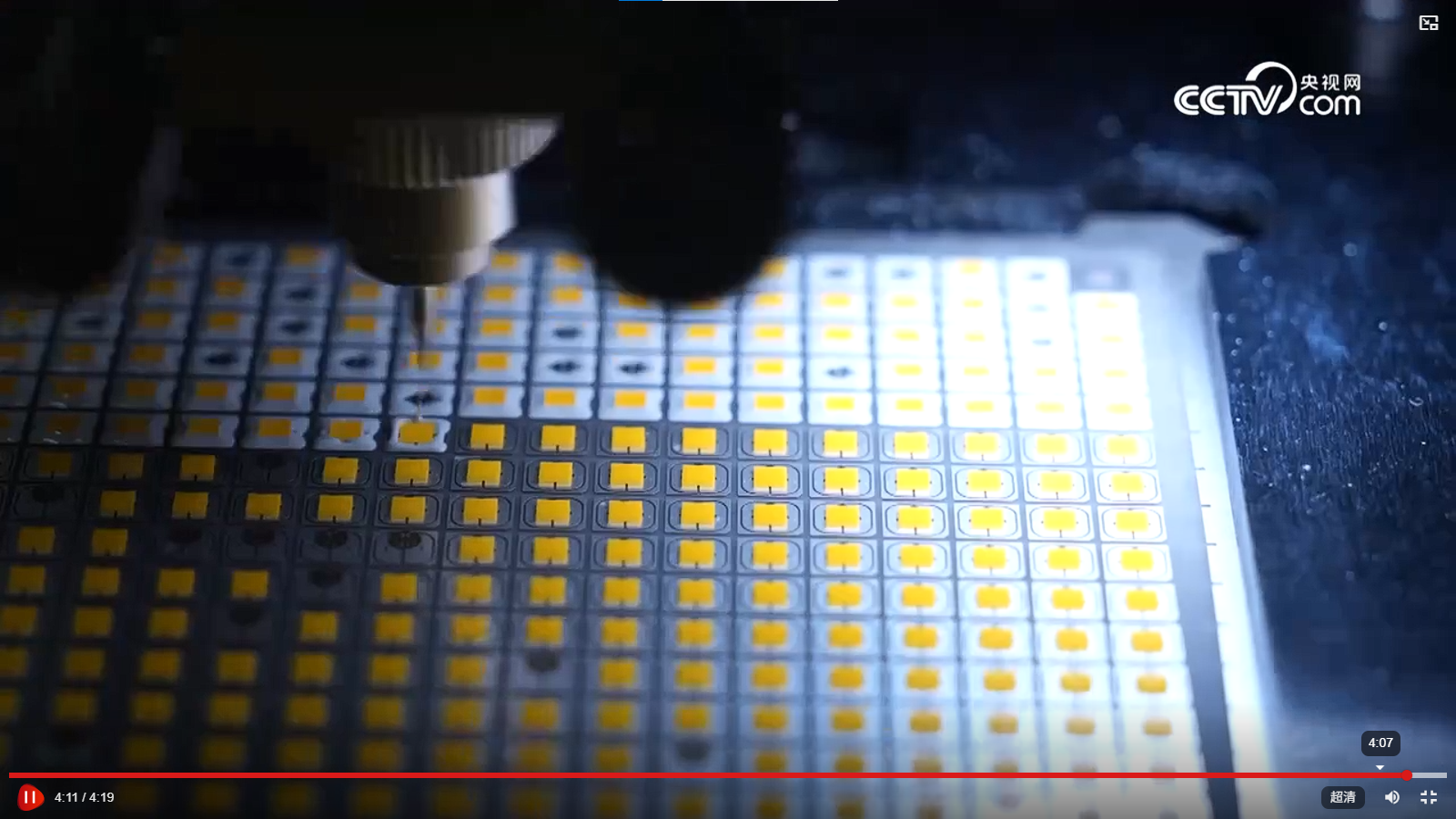
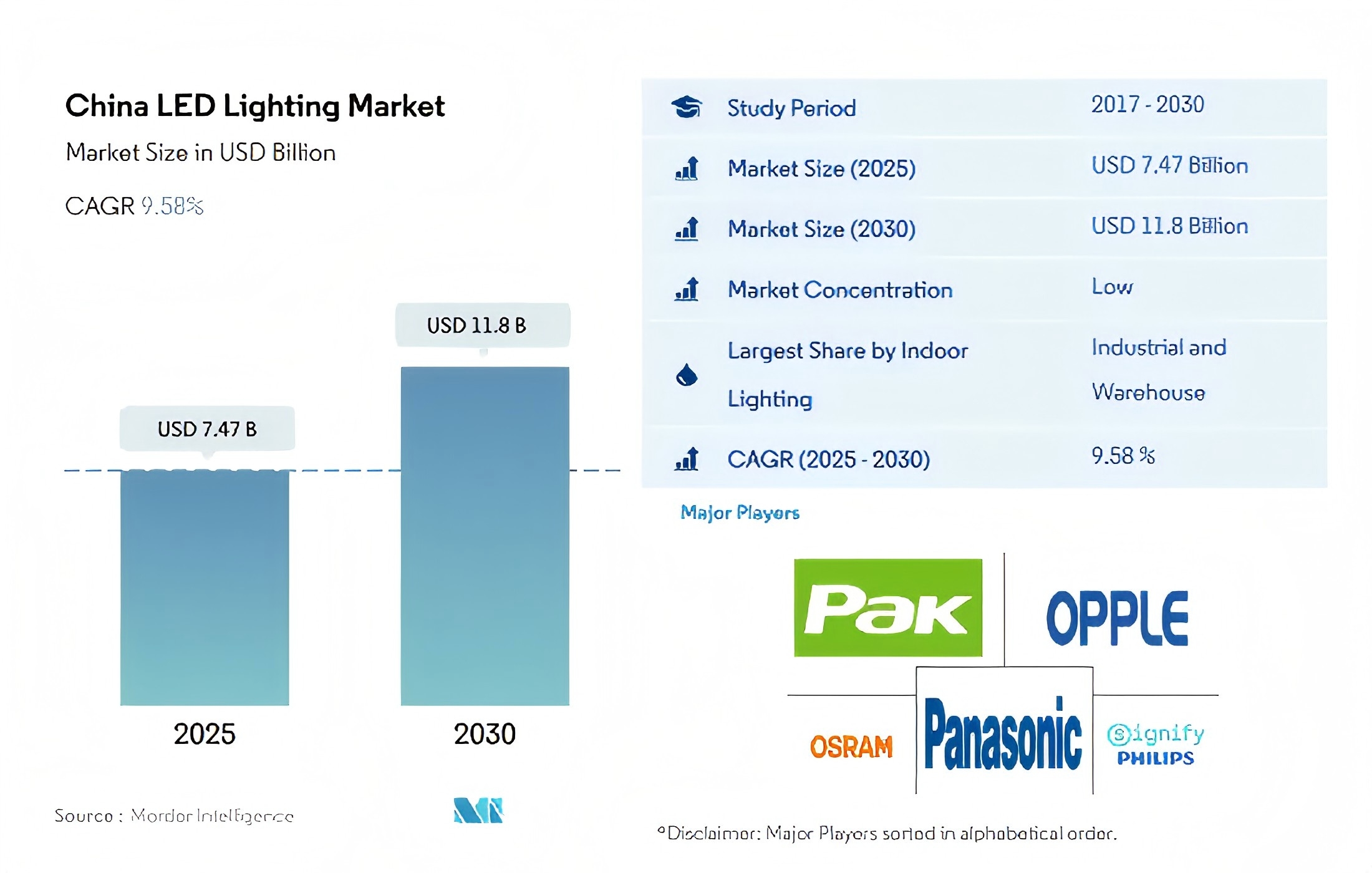
Today, China's LED production capacity accounts for over 70% of the global total, achieving comprehensive penetration from household lighting to outdoor large screens, from automotive headlights to municipal streetlights. China has completed its transformation from a follower to a leader, an industrial miracle forged by technological breakthroughs, industrial chain advantages, and policy impetus.
II. UVLED: Ready to Take Off, Awaiting the Next Patent Turning Point
The widespread adoption of LEDs is being replicated in the ultraviolet light source sector, with UV LEDs serving as a key component.
Unlike conventional lighting LEDs, UV LEDs are categorized into three wavelength bands—UVA, UVB, and UVC—each with specialized applications: UVA has achieved domestic production and is widely adopted in fields such as ink curing, 3D printing, and nail lamps, making it a highly competitive market; UVB is predominantly used for medical phototherapy and plant growth, representing a mature niche sector; while UVC deep ultraviolet radiation, leveraging its core sterilization and disinfection capabilities, is poised to become the primary battleground in the UV LED domain.
During the pandemic, there was a temporary surge in demand for UVC disinfection, but core patents remained monopolized by Japanese, American, and South Korean companies. Key technological barriers such as high-alumina epitaxial components and quantum well structures confined domestic manufacturers to mid-to-low-end markets. High-power and high-end applications still relied on imports, resulting in persistently high costs and hindering widespread adoption.
However, the dawn is already visible. The core UVC invention patents (filed between 2008 and 2012) are expected to expire in a concentrated period from 2028 to 2032. By then, Chinese enterprises will fully expand production and research efforts, coupled with the accelerated global mercury ban policies. UVC-LEDs will completely replace traditional mercury lamps and experience explosive growth in fields such as water treatment, air disinfection, built-in home appliances, and medical sterilization, replicating the popularization path of LED technology.
III. 2026 Industry Trend: Surge in Excimer Lamp Testing Demand – What's the Driving Force?
If UVLED represents a technology poised for breakthrough, excimer lamps are undoubtedly the hottest 'rising star' in the lighting industry by 2026. Industry experts report a significant surge in testing demand for excimer lamps this year, driven by the explosive growth of precise application scenarios.
Excimer lamps emit narrow-band ultraviolet light through rare gas ionization, offering core advantages such as mercury-free environmental friendliness, energy concentration, targeted effects, and coexistence of human and machine operation in specific wavelength bands. These features effectively compensate for the limitations of conventional UV light sources, with clearly defined mainstream wavelength application scenarios:
①172nm wavelength: Essential for semiconductor wafer cleaning and OLED/ITO glass surface activation, this light source is a critical requirement in advanced manufacturing, with industrial testing demand peaking this year.
②222nm: A safe and disinfectant light source compatible with both humans and machines, which does not damage human skin or corneas. It is suitable for public settings such as hospitals, schools, and subways, with rapid pilot implementations in built-in household appliances.
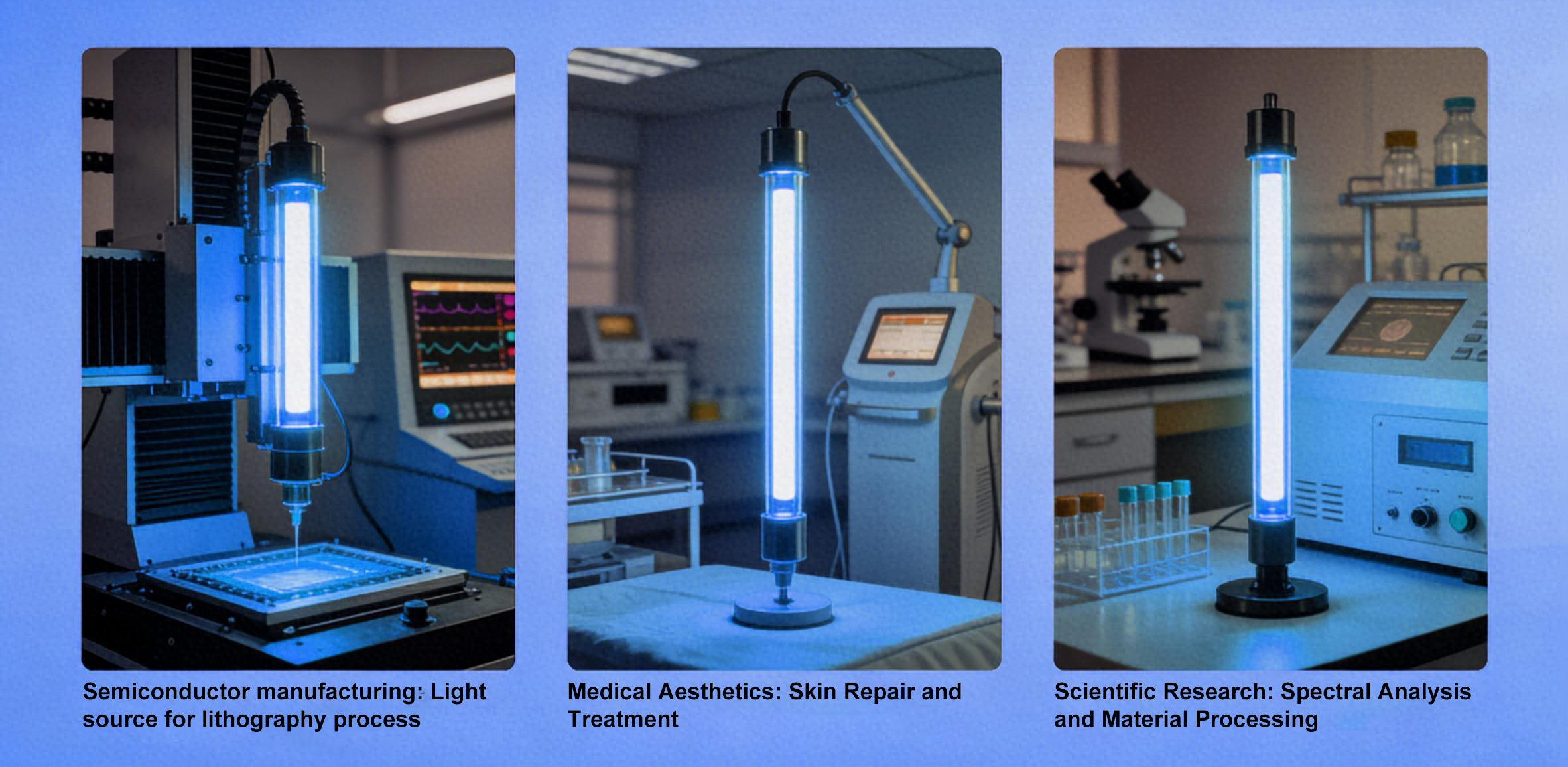
③308nm: Specifically designed for medical phototherapy, targeting dermatological conditions such as vitiligo and psoriasis, with accelerated progress in domestic substitution;
193nm: The core light source for high-end lithography machines, though monopolized by foreign manufacturers, has seen breakthroughs in domestic prototype development through indigenous technology, making it a critical bottleneck in technological breakthroughs.
The core barriers for excimer lamps remain material technology and overseas patents:
Core patent for infrastructure/gas ratio: filed from 2008 to 2010, with concentrated expiration dates from 2028 to 2030;
Patent for 172/222nm applications: filed between 2010 and 2012, with expiration dates from 2030 to 2032;
193nm lithography patent: filed between 2012 and 2015, with expiration dates from 2032 to 2035.
With domestic production costs set to plummet significantly, coupled with global mercury bans and the growing demand for advanced manufacturing, excimer lamps are poised for widespread adoption, emerging as a new growth driver in the ultraviolet light source sector.
IV. Xenon lamps: High-end products still rely on imports, with cost being determined not by patents but by market barriers.
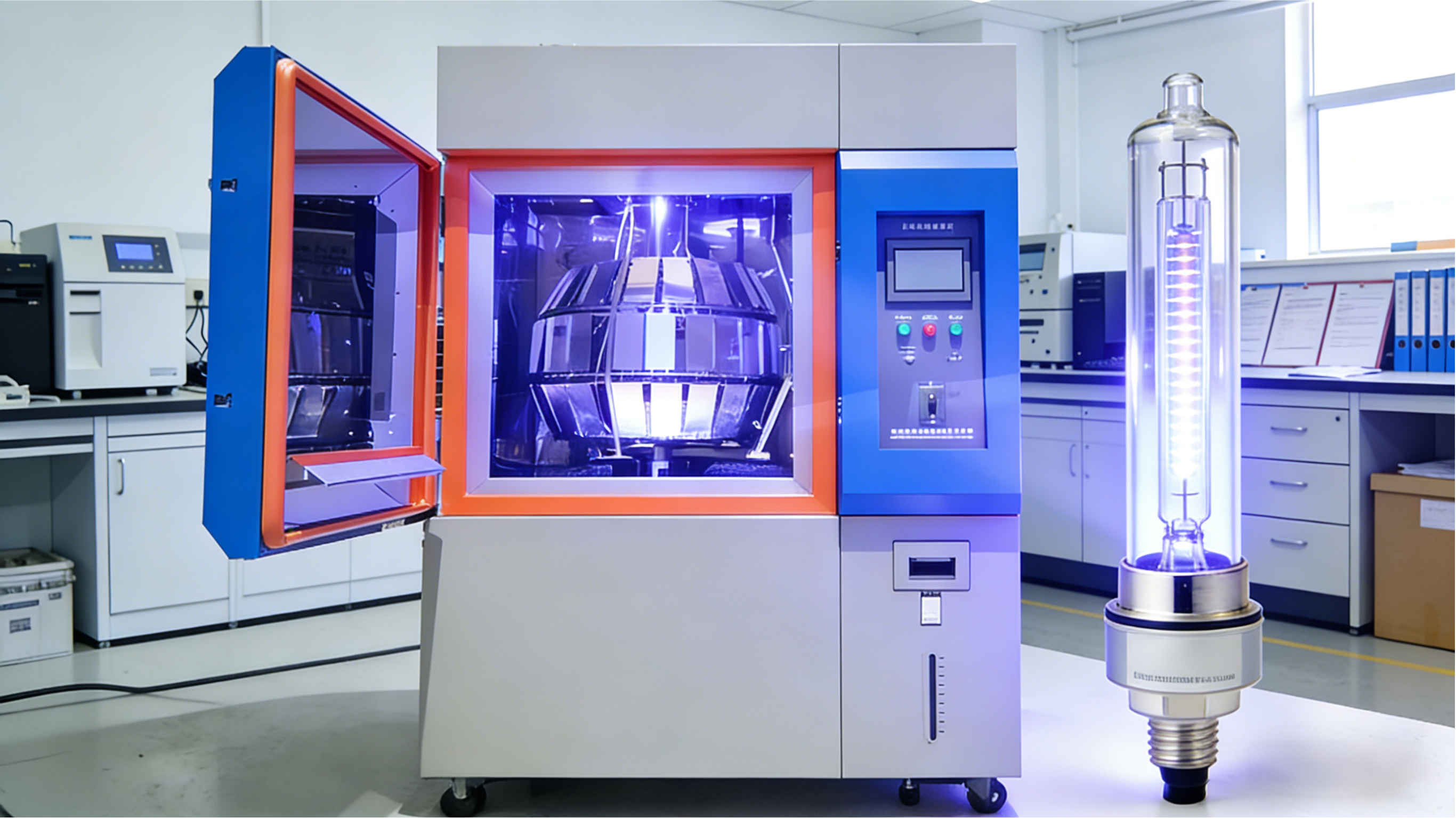
In the field of industrial inspection, xenon lamp aging test chambers are essential equipment. However, the accompanying xenon lamps are prohibitively expensive, with a single imported xenon lamp costing 10,000 to 30,000 yuan, posing significant financial challenges for many enterprises.
Many people mistakenly believe that the high cost of xenon lamps is due to patent monopolies, but this is not the case. The fundamental principles and structural patents for xenon lamps were all applied for between 1950 and 2000, and now all have expired, eliminating any patent-related bottlenecks.
The high price of imported xenon lamps stems from core barriers in materials, manufacturing processes, spectral stability, and lifespan. Brands such as Q-LAB (USA) and Atlas (Japan) employ high-purity quartz glass shells, precision electrodes, and filling gases, enabling lamp tubes with a lifespan of 4,000–6,000 hours and spectral performance that perfectly mimics sunlight, with test data globally recognized. In contrast, domestically produced xenon lamps exhibit shorter lifespans, faster decay rates, and poor spectral consistency, limiting their market presence to the mid-to-low-end segment.
The real invisible barrier lies in the patents for xenon lamp filters and power control algorithms.
The core patents were primarily filed between 2008 and 2010, with their expiration dates scheduled to occur sequentially from 2028 to 2030.
By then, domestic manufacturers will overcome high-end technological bottlenecks and achieve full replacement, thereby breaking the high price barrier of xenon lamps.
V. The Future Is Here: The Development Trend of China's Light Source Industry
Looking back at the development trajectory of various light sources, from LED to UVLED, from xenon lamps to excimer lamps, the development logic of China's light source industry has always been clear: patent restrictions are lifted to break shackles, the entire industrial chain unleashes advantages, and policy and market forces drive progress, ultimately achieving domestic substitution and widespread adoption.
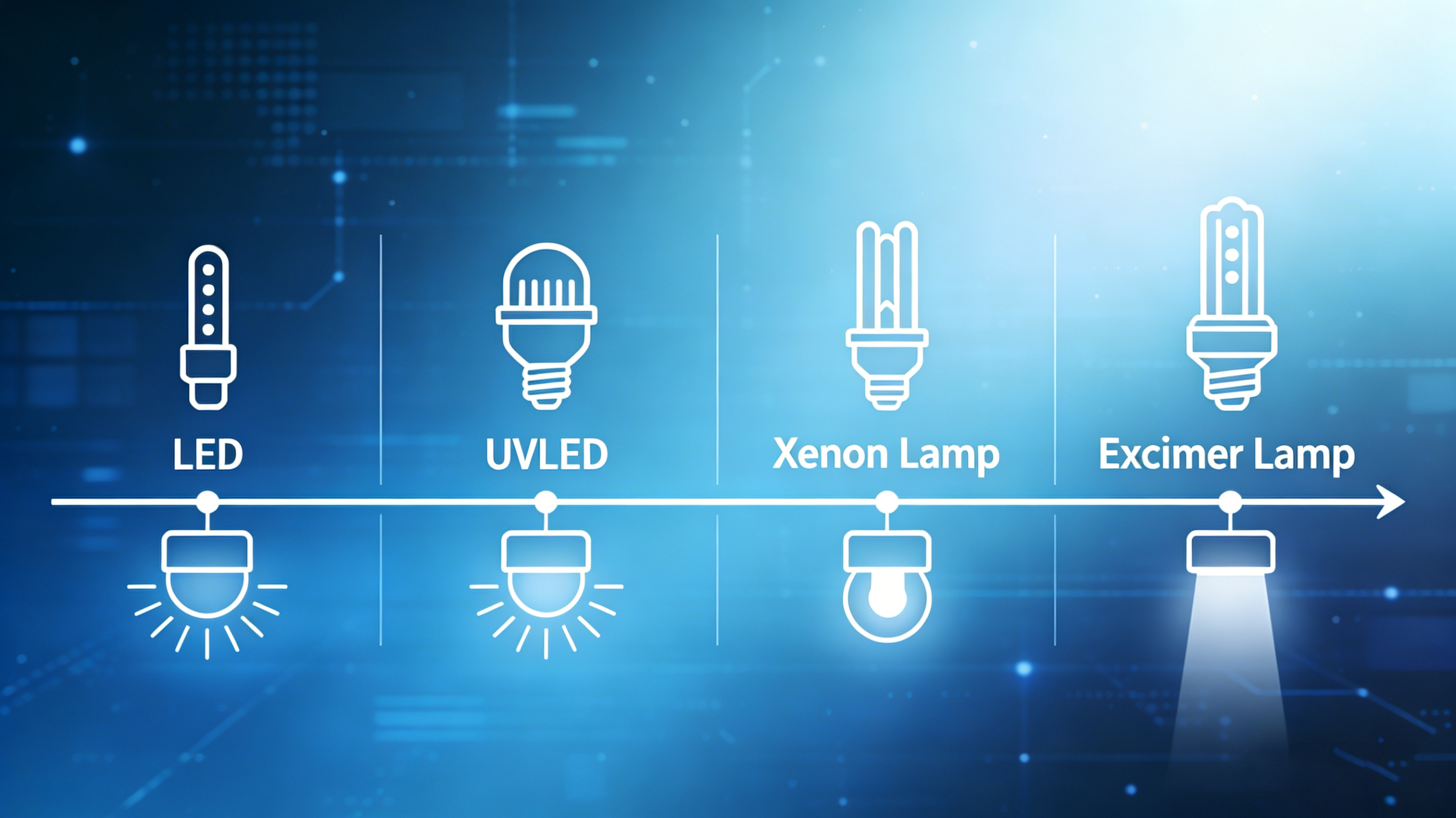
In the coming years, the light source industry will witness three core trends:
① Normalization of mercury prohibition: The global Minamata Convention has been fully implemented, mercury lamps are being rapidly phased out of the market, and mercury-free LEDs and excimer lamps have become mainstream;
②Patent Concentration Expiration: From 2028 to 2030, core patents for UVC-LED, excimer lamps, and xenon lamps will be successively unlocked, creating a golden window for domestic high-end alternatives to replace imported products.
③Refinement of application scenarios: Light sources are no longer limited to illumination but have expanded into high-end applications such as semiconductor manufacturing, healthcare, safety disinfection, and industrial modification, with "precision light sources" becoming the core of development.
From the illumination of a single lamp to the rise of an entire industry, China's light source sector has taken decades to make the leap from catching up to leading the way. Now, it is a critical period for a new round of transformation in the light source industry. The boom of excimer lamps, the momentum of UVLEDs, and the replacement of high-end xenon lamps all harbor tremendous industrial opportunities.
A beam of light illuminates not only life and production, but also the path forward for China's high-end manufacturing. We will continue to follow the developments in the light source industry and witness the next glory of China's light source industry together with everyone!