The wear resistance testing of tempered glass films is conducted using a standardized wear test to evaluate surface wear conditions. Typically, a friction wear tester is employed to perform a specified number of friction cycles, with the aim of detecting any scratches, loss of gloss, or damage on the film surface. The core objective of this wear testing is to simulate real-world wear scenarios—such as exposure to dust, sand, and hard particles—through standardized experiments, thereby verifying the film's scratch resistance. This process not only supports the product's key selling point of "scratch resistance," meeting consumer demands for screen protection, but also serves as a critical mechanism for manufacturers to ensure consistent product quality, comply with industry regulations, and establish clear product positioning for differentiated pricing strategies.
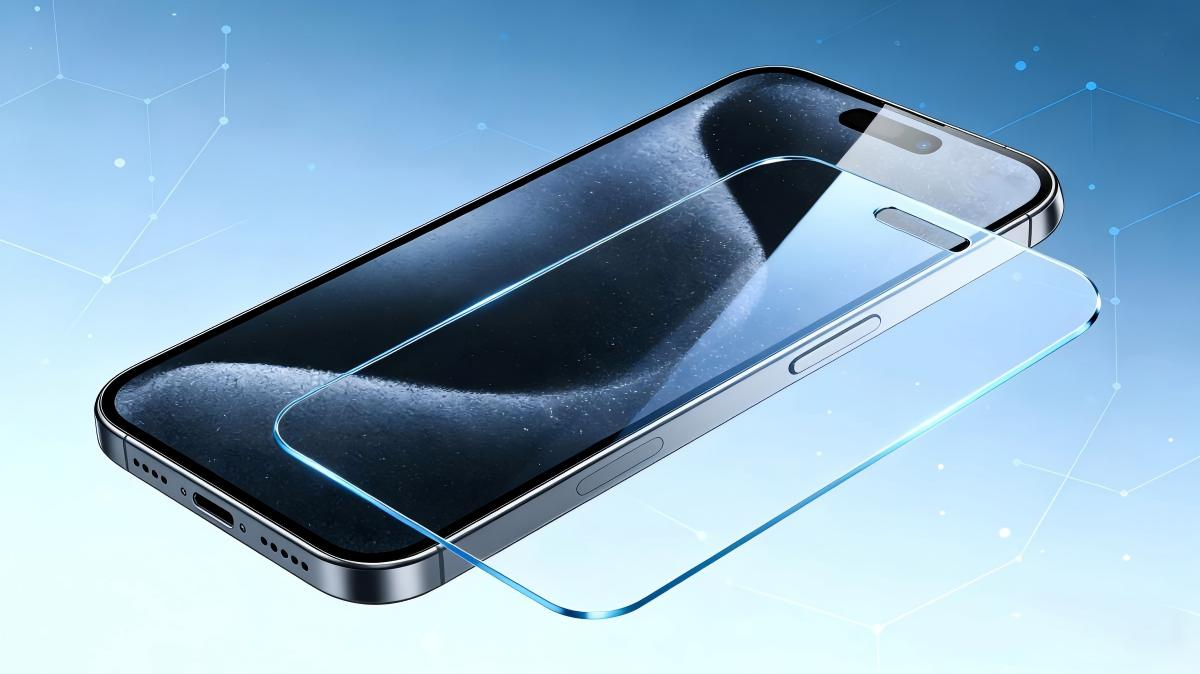
With the continuous expansion of the smartphone market, the demand for tempered glass films as protective accessories for mobile phones has steadily increased. In response, the state has issued corresponding test standards for the wear resistance of tempered glass films, establishing clear and unified "technical standards" for wear resistance testing. The standard "T/GDEDIA 0005-2023 General Technical Requirements for Tempered Glass Films" explicitly stipulates the following requirements for wear resistance testing:
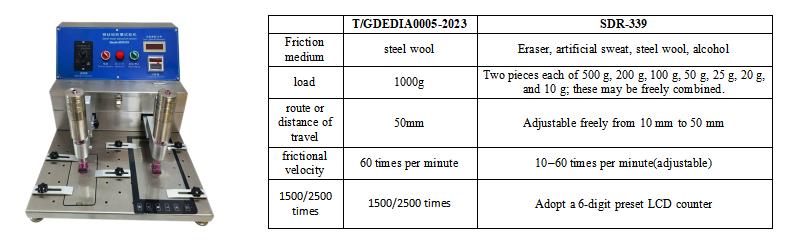
1.Friction medium: Model 0000# steel wire brush;
2.Friction area specification: 2 cm × 2 cm;
3.Load: 1000 g; Stroke: 50 mm;
4.Friction speed: 60 cycles/min;
5.Standard glass: 1,500 cycles; Class 2 or ultra-Class 2 glass: 2,500 cycles.
To ensure that the results of wear resistance testing for tempered glass films are precise, reliable, and fully compliant with industry standards, the acquisition of a friction wear testing machine with appropriate performance characteristics and controllable parameters becomes a critical prerequisite. If the friction pressure of the testing equipment is unstable, if the selection of the friction medium is inappropriate, or if the control of the number of test cycles is inaccurate, it may not only lead to distorted test data that fail to accurately reflect the wear resistance performance of the product, but also create vulnerabilities in product quality inspection, marketing claims, and compliance certification processes for the enterprise. Therefore, for tempered glass film manufacturers, quality inspection agencies, and relevant laboratories, the ability to scientifically select a friction wear testing machine that meets their specific requirements directly impacts the efficiency and accuracy of wear resistance testing.
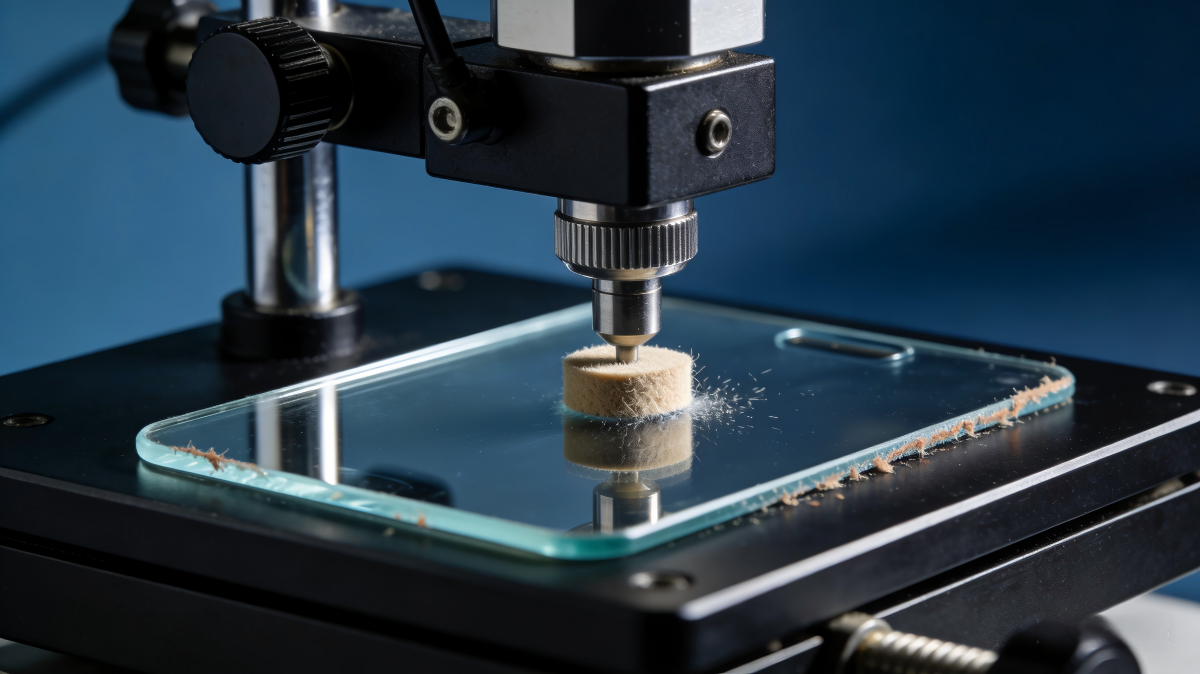
When selecting a friction testing machine, the key consideration is aligning the test standards with the type of sample; the following are the critical parameters to focus on:
1. Friction type and motion trajectory: reciprocating (suitable for textiles, coatings, and paper); rotational (suitable for flooring, leather, and plastic components); linear (suitable for films and metal surfaces).
2. Load (Pressure) Range and Accuracy: Whether the load adjustment range meets your testing requirements; load accuracy (typically ≤ ±1%); and whether the system supports multi-stage weight stacking or stepless speed-controlled loading.
3. Friction speed and stroke: The typical speed range is 10–60 rpm, which must comply with the specified standards; the stroke (the distance the friction head moves in a single cycle) is generally adjustable from 0–100 mm, and must be compatible with the sample dimensions to prevent test failures caused by an excessively large or small stroke.
4. Compatibility of friction media with the fixture: Standard configurations typically include cotton cloth, wool cloth, sandpaper, rubber, and metal grinding heads; it should be verified whether these components are interchangeable and whether customization of non-standard friction media is supported.The sample fixture must be compatible with the geometry of your sample—such as flat fixtures, curved fixtures, or fixtures for small components—since the clamping stability of the fixture directly affects test repeatability.
5. Counting and Control Functions: The device shall feature preset number of friction cycles, an automatic shutdown function, and support shutdown upon reaching the preset cycle count or in case of sample damage; selecting a model equipped with an LCD or touch screen display enables intuitive monitoring of operational data—such as number of cycles, speed, and elapsed time—thereby enhancing operational convenience.
6. Speed control modes: divided into gear-based speed control (fixed number of speed ranges) and stepless speed control (continuous speed adjustment); stepless speed control models offer broader applicability, making them suitable for testing scenarios involving multiple standards and diverse test items.
7. Sample size limitations: Confirm the maximum sample loading capacity of the equipment.
The Speedre Multi-functional Friction Test Machine (SDR-339) fully complies with the wear resistance testing requirements specified in the standard "T/GDEDIA 0005-2023 — General Technical Requirements for Tempered Film." The equipment supports 0000# steel wool media, and the counterweight load can be independently adjusted (two units each of 500 g, 200 g, 100 g, 50 g, 25 g, 20 g, and 10 g). The load can be precisely set to meet the required 1000 g by stacking the weights. The travel range is selectable between 2–25 mm or 10–50 mm, with speeds adjustable from 10 to 60 revolutions per minute (rpm). The machine features a stepless speed adjustment function, digital display counting, automatic shutdown capability, and power failure memory function, making it fully capable of meeting the quality inspection and R&D testing requirements for tempered film products.